 Maksym Kovaliov
The Suppressor Specialist
The .300 Blackout is the most deliberately engineered cartridge in the AR-15 ecosystem. It wasn’t designed to replace 5.56 NATO or compete with .308 Winchester – it was designed to solve a specific problem: deliver subsonic, suppressed performance from a standard AR-15 lower receiver without sacrificing the ability to switch back to supersonic loads when maximum terminal performance is needed. One rifle, one upper, one magazine – two completely different performance profiles depending on the ammunition you load.
That dual-mode capability made the .300 Blackout the fastest-growing AR-15 cartridge of the 2010s. It’s the dominant suppressor host in the AR platform, a legitimate hog hunting round at close to moderate range, and a serious home defense option for shooters who prioritize reduced noise signature. It’s also a cartridge with genuine limitations that marketing tends to gloss over – subsonic ballistics drop fast, supersonic loads don’t significantly outperform 5.56 past 300 yards, and the .30-caliber bullet in a standard AR-15 magazine creates feed reliability considerations.
This guide covers the full picture – where the .300 Blackout excels, where it doesn’t, and how to build or buy the right setup for your specific application.
History and Development
The SOCOM Requirement
The .300 Blackout traces directly to a U.S. Special Operations Command (SOCOM) requirement from the late 2000s. Special operations units operating with suppressed weapons needed a cartridge that would:
- Cycle a standard AR-15/M4 reliably with subsonic loads
- Use standard AR-15 30-round magazines at full capacity
- Require only a barrel change from a standard 5.56 NATO upper
- Deliver acceptable supersonic terminal performance for situations where a suppressor wasn’t in use
- Feed and function from standard bolt carrier groups
The existing solutions didn’t meet all these requirements. The MP5SD (9mm) was subsonic but not AR-platform. The .458 SOCOM and .50 Beowulf were too large for standard magazines. The 9mm AR required a different bolt and lower. Nothing gave operators a true drop-in subsonic capability for the existing M4 platform.
Advanced Armament Corporation and Remington Defense
Advanced Armament Corporation (AAC) and Remington Defense collaborated to develop what became the .300 Blackout, submitted to SAAMI for standardization in 2011. The project’s lead engineer, Robert Silvers at AAC, built the cartridge around a .30-caliber bullet on a .223 case trimmed to 1.368″ – shorter than the .223’s 1.76″ case length to accommodate the longer, heavier subsonic bullets within the AR-15’s overall length constraints.
The result hit every SOCOM requirement: a standard AR-15 bolt, standard AR-15 magazines at full capacity (30 rounds), standard AR-15 lower, and a barrel change as the only hardware modification. Subsonic loads (220gr at 1,010 fps) stayed well below the speed of sound for a clean suppressed report. Supersonic loads (110–125gr at 2,200–2,400 fps) provided centerfire rifle terminal performance from the same barrel.

SAAMI standardized the cartridge in 2011. Hornady, Barnes, Remington, and Federal followed with factory ammunition. The civilian market adopted it rapidly.
How .300 Blackout Works: The Dual-Mode Concept
The .300 Blackout’s fundamental value is the ability to switch between two performance profiles by changing only the ammunition – not the rifle, not the upper, not the magazine.

Supersonic Loads (110–125gr)
Supersonic .300 Blackout loads typically use 110gr to 125gr bullets at 2,100–2,400 fps from a 16″ barrel. These loads:
- Cycle the action reliably without any gas system adjustment
- Produce a standard rifle-caliber report (hearing protection required)
- Deliver .30-caliber terminal performance comparable to .30-30 Winchester at close range
- Are appropriate for hunting, defensive use, and general shooting
Subsonic Loads (190–220gr)
Subsonic .300 Blackout loads use 190gr to 220gr bullets at 980–1,050 fps – below the 1,125 fps speed of sound threshold that produces a sonic crack. With a suppressor:
- No sonic crack from the projectile
- Only suppressed muzzle blast and mechanical action noise
- Genuinely hearing-safe in most circumstances without hearing protection
- Effective for home defense, hog hunting at close range, and training
The challenge: subsonic .300 Blackout relies on sufficient gas pressure to cycle the action. Some rifles require an adjustable gas block to run both subsonic and supersonic loads reliably from the same barrel and gas system. Short-barreled configurations (9″–10.5″) are optimized for subsonic cycling; longer barrels (16″) may need adjustable gas blocks for the best subsonic reliability.
Ballistics: What the Numbers Actually Mean
Supersonic .300 Blackout vs. 5.56 NATO
This comparison matters because supersonic .300 Blackout is often marketed as a significant upgrade over 5.56. The reality is more nuanced.
| Load | Muzzle Velocity | Muzzle Energy | 300-yd Velocity | 300-yd Energy | 300-yd Drop |
|---|---|---|---|---|---|
| .300 BLK 110gr Hornady V-Max | 2,375 fps | 1,377 ft-lbs | 1,558 fps | 592 ft-lbs | –21″ |
| .300 BLK 125gr Barnes TAC-TX | 2,215 fps | 1,362 ft-lbs | 1,432 fps | 569 ft-lbs | –27″ |
| 5.56 NATO 62gr M855 | 3,020 fps | 1,254 ft-lbs | 2,141 fps | 631 ft-lbs | –10″ |
| 5.56 NATO 77gr OTM | 2,750 fps | 1,293 ft-lbs | 2,101 fps | 754 ft-lbs | –13″ |
The data tells a clear story: supersonic .300 Blackout and 5.56 NATO are comparable at the muzzle, but 5.56 maintains significantly better performance at distance. By 300 yards the .300 BLK’s heavier, slower bullet has dropped more and retained less energy than 5.56. The .300 BLK’s advantage is its .30-caliber projectile diameter and bullet weight – it hits harder at close range, penetrates barriers better, and offers a wider selection of conventional hunting bullets. But it is not a 300-yard cartridge.
Subsonic .300 Blackout Ballistics
| Load | Muzzle Velocity | Muzzle Energy | 100-yd Energy | 100-yd Drop |
|---|---|---|---|---|
| 220gr Hornady Sub-X | 1,000 fps | 489 ft-lbs | 397 ft-lbs | –6″ |
| 220gr Sierra MatchKing | 1,010 fps | 498 ft-lbs | 403 ft-lbs | –5.8″ |
| 208gr Hornady A-MAX | 1,020 fps | 480 ft-lbs | 388 ft-lbs | –5.5″ |
| 190gr Barnes Vor-Tx | 1,050 fps | 464 ft-lbs | 376 ft-lbs | –5.0″ |
Subsonic .300 BLK drops fast – 6″ at 100 yards is steep compared to any supersonic cartridge. Energy falls below 400 ft-lbs by 100 yards with most loads. This makes subsonic .300 Blackout a 0–100 yard proposition for any hunting or defensive application. For the specific scenarios it’s designed for – home defense inside 50 yards, suppressed hog hunting inside 75 yards, close-range training – the energy and precision are entirely adequate. Past 100 yards, subsonic performance is marginal.
Effective Range Summary
| Use Case | Supersonic | Subsonic |
|---|---|---|
| Home defense | 0–100 yards | 0–75 yards |
| Hog hunting | 0–200 yards | 0–75 yards |
| Deer hunting | 0–150 yards | Not recommended |
| Varmint hunting | 0–200 yards | Not appropriate |
| Competition | 0–300 yards (marginal) | 0–50 yards |
| Training | Any range | 0–50 yards (noise reduction only) |
Barrel Length and Performance
Barrel length is more critical for .300 Blackout than for most AR-15 calibers. The cartridge was engineered around a short barrel – specifically the 9″ SBR configuration used by SOCOM – and performance characteristics change significantly across the barrel length range.

| Barrel Length | Supersonic Velocity (110gr) | Subsonic Cycling | NFA Required? | Best Application |
|---|---|---|---|---|
| 7.5″ | 1,900 fps | Excellent | Yes (SBR/pistol) | Maximum compact, suppressed host |
| 9″ | 2,050 fps | Excellent | Yes (SBR/pistol) | SOCOM-spec, suppressed CQB |
| 10.5″ | 2,125 fps | Very Good | Yes (SBR/pistol) | Short suppressed carbine |
| 16″ | 2,350 fps | Good (adj. gas block recommended) | No | Hunting, general purpose |
| 18″ | 2,450 fps | Fair (adj. gas block needed) | No | Maximum velocity, not ideal |
The important insight: A 9″ barrel loses only 300 fps compared to a 16″ barrel on supersonic loads – a much smaller penalty than most rifle cartridges pay for short barrels. The .300 Blackout was specifically designed for short barrels, and the 9″–10.5″ SBR/pistol configuration is where the cartridge performs optimally for suppressed use. The 16″ barrel is a reasonable choice for those who want to avoid NFA paperwork, but it’s not the ideal configuration for the cartridge’s primary purpose.
.300 Blackout vs. Other Calibers
.300 Blackout vs. 5.56 NATO
The comparison most buyers face first.
| Factor | .300 BLK | 5.56 NATO |
|---|---|---|
| Supersonic muzzle energy | ~1,360 ft-lbs | ~1,250–1,300 ft-lbs |
| Energy at 300 yards | ~570 ft-lbs | ~630–750 ft-lbs |
| Subsonic capability | Excellent | Poor (won’t cycle reliably) |
| Suppressed experience | Best in class (subsonic) | Good (but still supersonic) |
| Ammo cost | $0.80–$2.00/round | $0.35–$0.55/round |
| Ammo availability | Good (gun stores) | Excellent (everywhere) |
| Hunting suitability | Hogs, deer inside 150 yards | Varmints, hogs inside 200 yards |
| Barrier penetration | Better (.30 cal) | Good |
Choose .300 BLK over 5.56 if: You plan to shoot suppressed regularly, you hunt hogs at close range and want subsonic capability, or home defense is the primary purpose and noise reduction matters.
Stay with 5.56 if: You won’t run a suppressor, shoot past 200 yards regularly, train at high volume (cost difference adds up fast), or want maximum ammunition availability.
.300 Blackout vs. 9mm PCC
For suppressed home defense, this is the real decision.
| Factor | .300 BLK (subsonic) | 9mm PCC (subsonic) |
|---|---|---|
| Suppressed sound level | Excellent | Slightly quieter |
| Muzzle energy at muzzle | ~490 ft-lbs | ~340 ft-lbs |
| Bullet diameter | .308″ | .355″ |
| Supersonic capability | Yes (same barrel) | Limited |
| Platform | AR-15 | AR-9 / dedicated PCC |
| Ammo cost (subsonic) | $1.50–$2.50/round | $0.35–$0.60/round |
| Ammo cost (training) | $0.80–$1.20/round | $0.20–$0.35/round |
The 9mm PCC is marginally quieter suppressed and dramatically cheaper to train with. The .300 BLK hits harder and can switch to supersonic for situations where more energy is needed. For pure home defense suppressed performance, both are adequate – the 9mm PCC wins on economics, the .300 BLK wins on versatility.
.300 Blackout vs. .308 Winchester
Not a close comparison at range, but relevant for hunters deciding between platforms.

| Factor | .300 BLK | .308 Winchester |
|---|---|---|
| Muzzle energy (supersonic) | ~1,360 ft-lbs | ~2,700 ft-lbs |
| Effective hunting range | 150 yards | 600+ yards |
| Platform | AR-15 | AR-10 |
| Rifle weight | 6–7 lbs | 8–10 lbs |
| Suppressed capability | Excellent | Good |
| Ammo cost | $0.80–$1.50/round | $0.80–$1.50/round |
The .308 is not a competitor for suppressed close-range use – it’s twice the energy but also twice the noise, twice the weight, and not AR-15 compatible. If your use case is inside 150 yards and suppressed, the .300 BLK is the better tool. If you need reach past 200 yards, the .308 is the better tool.
Magazines and Feed Reliability
One of the .300 Blackout’s most important practical considerations is magazine reliability – specifically, the risk of accidentally chambering a .300 BLK round in a 5.56 NATO barrel.
The Dangerous Magazine Mistake
A .300 Blackout cartridge will chamber in a 5.56 NATO barrel. The .300 BLK case is shorter and fatter than 5.56, but it fits in the 5.56 chamber far enough to fire. If it fires, the result is a catastrophic overpressure failure – the case expands far beyond the chamber dimensions and destroys the barrel, bolt, and potentially injures the shooter.
This is not theoretical. Documented cases of this negligent discharge exist. The .300 BLK round fits in a 5.56 magazine and looks similar enough at a glance to create the risk.
Mandatory safety practices:
- Never store .300 BLK and 5.56 magazines together without clear differentiation
- Mark .300 BLK magazines permanently and distinctively – colored magazine followers, permanent marker, magazine wraps, or dedicated magazine brands in specific colors
- Physically inspect every round before loading a .300 BLK magazine
- Keep .300 BLK and 5.56 ammunition in completely separate storage areas
Recommended Magazines
Magpul PMAG 30 Gen M3 – Standard PMAG works reliably with .300 BLK. Use a specific color (FDE, olive, coyote) exclusively for .300 BLK to differentiate from 5.56 black magazines.
Lancer L5AWM – Semi-translucent body makes visual round inspection easier. Available in multiple colors.
SureFire 60-round – High-capacity option for training; the unique appearance differentiates from standard .300 BLK and 5.56 magazines clearly.
D&H Industries .300 BLK dedicated – Single-stack follower design specifically for .300 BLK feeding geometry; marginally more reliable with heavy subsonic bullets than standard AR-15 magazines.
Best .300 Blackout Rifles and Uppers
Complete Rifles
Daniel Defense DDM4 V7 .300 BLK ($2,000–$2,100) Daniel Defense’s DDM4 in .300 Blackout is the standard recommendation for a premium complete rifle. The 16″ cold hammer forged barrel, DDM4 rail, and Daniel Defense’s quality control produce a rifle that cycles both subsonic and supersonic loads reliably out of the box. Accuracy runs 1 MOA with quality ammunition. If you’re buying a complete .300 BLK rifle and want a production rifle you don’t need to second-guess, this is the starting point.
Sig Sauer MCX Rattler (.300 BLK, 5.5″ barrel) ($2,200–$2,500) The MCX Rattler is the most compact .300 Blackout platform available – a 5.5″ barrel in a side-folding short-stroke piston design. Purpose-built for suppressed CQB use with a piston system that handles both subsonic and supersonic loads without adjustment. At $2,200+, it’s expensive, but it’s the best engineering solution for the specific use case of a suppressed, maximum-compact .300 BLK carbine.
Ruger American Ranch .300 BLK ($550–$600) Ruger’s bolt-action Ranch rifle in .300 Blackout is worth mentioning for hunters who want suppressed .300 BLK performance without the semi-automatic platform. The bolt-action eliminates the cycling reliability concerns with subsonic loads entirely – every load cycles regardless of pressure. Threaded 16″ barrel, detachable rotary magazine, sub-1 MOA accuracy. At $550, it’s the most affordable and reliable suppressed .300 BLK platform for hunting.
CMMG Banshee 300 Mk4 .300 BLK ($1,400–$1,600) CMMG’s Banshee in .300 Blackout uses their Radial Delayed Blowback system rather than a standard DI gas system. The result is cleaner operation with subsonic loads and less gas blowback into the shooter’s face during suppressed use. Available in 8″ and 16″ barrel configurations. A strong choice for dedicated suppressor hosts.
Palmetto State Armory 9″ .300 BLK Pistol ($700–$800) PSA offers an affordable 9″ .300 BLK pistol (with Shockwave brace) that gives buyers an NFA-adjacent compact .300 BLK at a fraction of the premium brand prices. Reliability is adequate with quality ammunition. The right choice for budget-conscious suppressor buyers who want the 9″ configuration without SBR paperwork (using a pistol brace rather than a stock). Note ATF brace regulations – verify current rules before purchasing.
Upper Receivers (For Existing AR-15 Lowers)
One of the .300 Blackout’s strongest selling points is the ability to convert an existing AR-15 with a barrel or upper swap only. The same lower, bolt, and magazines work.
Aero Precision .300 BLK Upper ($350–$500) Aero’s complete .300 BLK uppers in 8″, 10.5″, and 16″ barrel lengths are the most popular conversion option. Tight machining tolerances, M-LOK handguard, and DPMS-pattern compatibility with any mil-spec lower. Reliable with quality ammunition; an adjustable gas block is recommended for the 16″ version running subsonic loads.
Faxon Firearms .300 BLK Upper ($500–$650) Faxon’s lightweight pencil-profile barrels make them the popular choice for hunters and backcountry shooters who want to minimize weight. The 16″ Faxon Gunner profile barrel reduces weight without heavy-barrel accuracy loss. 1–8 twist handles both subsonic and supersonic projectile weights. A strong mid-range option.
Ballistic Advantage 9″ .300 BLK Premium Upper ($550–$650) Ballistic Advantage is the industry standard for quality .300 BLK SBR and pistol uppers. The 9″ barrel in their Premium series is the most recommended configuration for dedicated suppressor use – optimized gas port timing for subsonic cycling reliability.
Suppressors for .300 Blackout
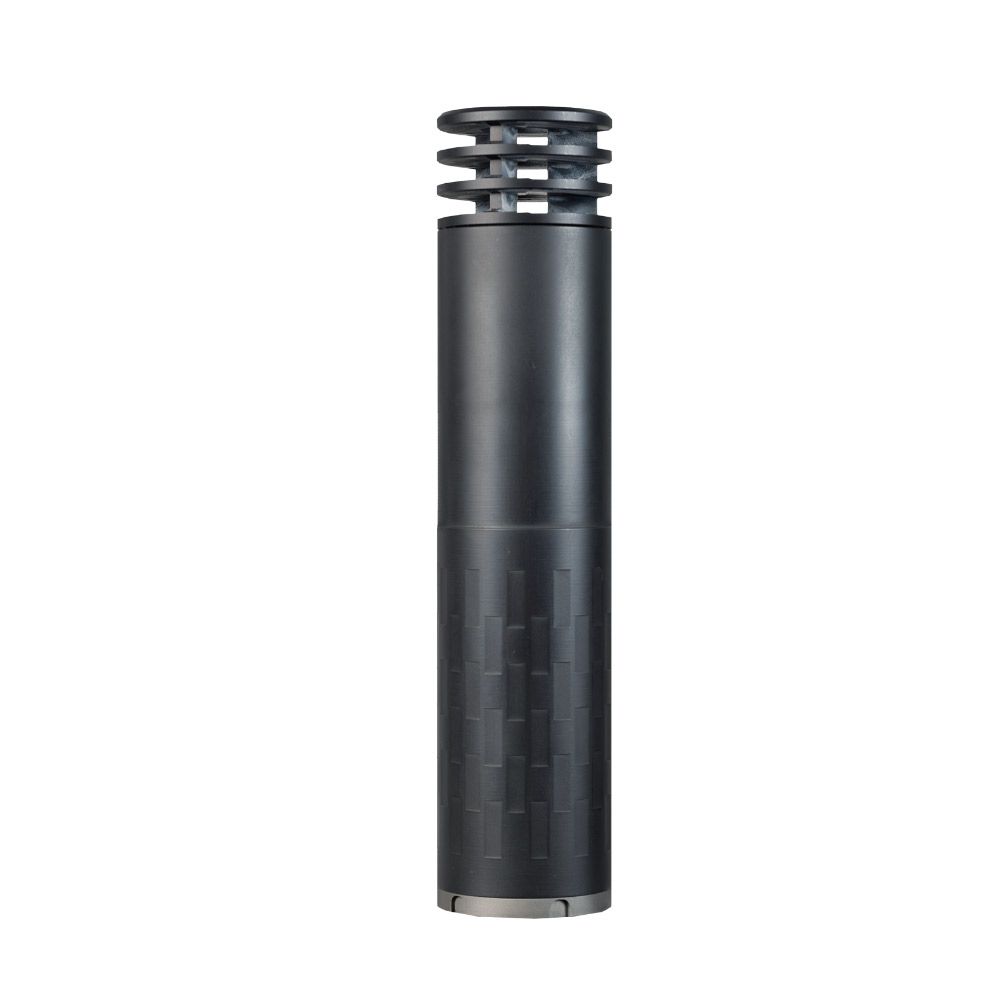
The .300 Blackout exists primarily as a suppressor host. Choosing the right suppressor is as important as choosing the right rifle.
Key Suppressor Considerations for .300 BLK
Subsonic vs. supersonic use: Some lightweight rimfire suppressors are not rated for supersonic .300 BLK. Verify the suppressor is rated for .30 caliber and can handle .300 BLK supersonic loads if you plan to shoot both.
Bore diameter: .300 BLK uses a .308″ diameter bullet. Use a suppressor rated for .308″ / 7.62mm or larger bore.
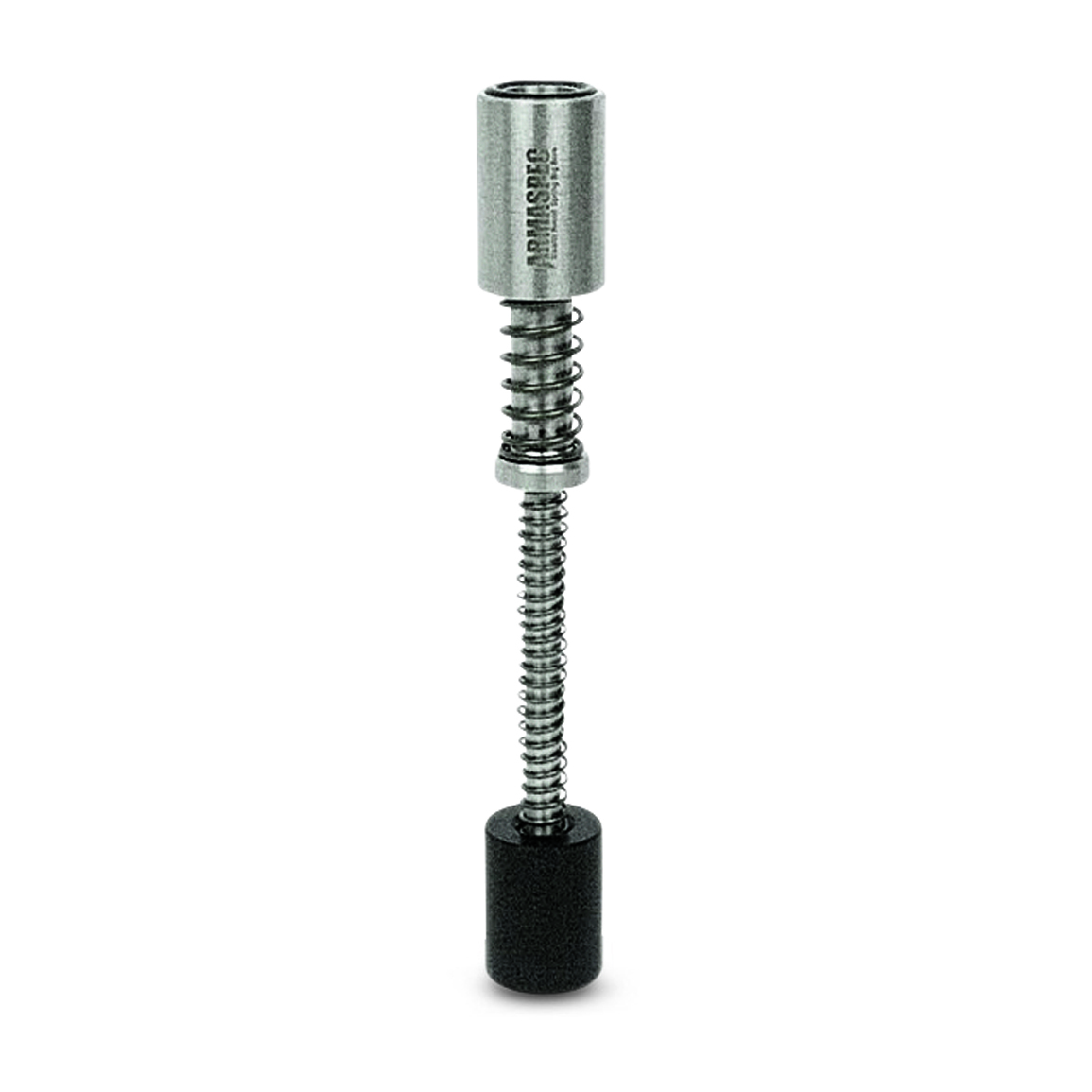
Back pressure and cycling: Suppressors increase back pressure in the gas system, which can cause overgassing – faster cycling, increased BCG velocity, reliability issues with subsonic loads. An adjustable gas block is recommended for any suppressed .300 BLK build.
Suppressor length and overall package: A 9″ .300 BLK barrel plus a 7–8″ suppressor equals a 16–17″ overall suppressed length – approximately the length of an unsuppressed 16″ carbine. This is the .300 BLK’s practical advantage in package size.
Best Suppressors for .300 Blackout
| Suppressor | Length | Weight | Rating | Price | Notes |
|---|---|---|---|---|---|
| SilencerCo Omega 300 | 7.8″ | 14.2 oz | Up to .300 Win Mag | $1,050 | Best all-around .30 cal can |
| Dead Air Sandman-S | 6.8″ | 17.5 oz | Up to .300 Win Mag | $900 | Short, durable, excellent tone |
| SilencerCo Hybrid 46M | 7.4″ | 12.1 oz | Multi-caliber to .46 | $1,150 | One can for multiple rifles |
| Dead Air Wolfman | 6.3″ | 10.9 oz | Up to .300 BLK | $1,100 | Modular length, .30 cal max |
| Gemtech One | 7.5″ | 16.4 oz | Up to .308 Win | $700 | Budget full-size .30 cal |
| SureFire SOCOM300-SPS | 7.7″ | 19.0 oz | Up to .300 Win Mag | $1,400 | Military-grade, over-barrel design |
Recommendation for most buyers: The SilencerCo Omega 300 or Dead Air Sandman-S are the two most popular choices. Both handle the full range of .300 BLK loads (subsonic through supersonic), attach to a standard 5/8×24 thread pitch, and produce excellent sound attenuation. The Omega 300 is lighter; the Sandman-S is more compact and slightly more durable under sustained fire.

Ammunition Guide
Supersonic Loads (Hunting and Defensive)
| Load | Bullet | Velocity (16″) | Energy | Best For |
|---|---|---|---|---|
| Hornady Black 110gr V-Max | 110gr V-Max | 2,350 fps | 1,348 ft-lbs | Varmints, hogs |
| Barnes VOR-TX 110gr TTSX | 110gr TTSX | 2,350 fps | 1,348 ft-lbs | Hunting (bonded, no lead) |
| Federal Fusion 150gr | 150gr Fusion | 1,900 fps | 1,202 ft-lbs | Deer, larger game |
| Remington HTP 120gr | 120gr OTM | 2,200 fps | 1,289 ft-lbs | General purpose |
| Hornady Black 125gr HAP | 125gr HAP | 2,175 fps | 1,313 ft-lbs | Home defense, training |
Subsonic Loads
| Load | Bullet | Velocity | Energy | Best For |
|---|---|---|---|---|
| Hornady Sub-X 220gr | 220gr Sub-X | 1,000 fps | 489 ft-lbs | Suppressed hunting, defense |
| SIG Sauer Elite 220gr OTM | 220gr OTM | 1,000 fps | 489 ft-lbs | Accuracy, training |
| Federal Suppressor 220gr OTM | 220gr OTM | 1,000 fps | 489 ft-lbs | Reliable cycling, quality |
| Remington 220gr OTM | 220gr OTM | 1,010 fps | 499 ft-lbs | Budget subsonic |
| Barnes Vor-Tx 190gr TTSX | 190gr TTSX | 1,050 fps | 464 ft-lbs | Subsonic hunting (bonded) |
Training / Budget Loads
| Load | Bullet | Velocity | Price/20 | Notes |
|---|---|---|---|---|
| Hornady Black 110gr | 110gr V-Max | 2,350 fps | $18–$22 | Best value supersonic |
| AAC 220gr OTM | 220gr OTM | 1,000 fps | $22–$28 | Budget subsonic |
| Fiocchi 150gr FMJ | 150gr FMJ | 1,900 fps | $16–$20 | Cheap supersonic training |
Twist Rate and Bullet Weight
The .300 BLK’s range from 110gr supersonic to 220gr subsonic creates a wide bullet weight spread. Twist rate matters for stabilizing both ends of this range.
| Twist Rate | Optimal Bullet Weight | Suitable For |
|---|---|---|
| 1:7 | 150–220gr | Best for heavy subsonic bullets; stabilizes supersonic adequately |
| 1:8 | 110–220gr | Best all-around – handles full .300 BLK bullet weight range |
| 1:10 | 110–150gr | Supersonic only – insufficient for long 220gr subsonic bullets |
Recommendation: 1:8 twist. It stabilizes both light supersonic and heavy subsonic projectiles reliably. A 1:7 twist works but is optimized for the heavy end; a 1:10 is inadequate for subsonic use.
Practical Builds: Setup Recommendations
Dedicated Suppressed Home Defense Build
Goal: Maximum noise reduction, reliable cycling of subsonic loads, compact package for home use.
- Lower: Any mil-spec AR-15 lower (Aero Precision M4E1, PSA, BCM)
- Upper: 9″ .300 BLK SBR or pistol configuration (Ballistic Advantage, Aero Precision)
- Gas system: Pistol-length with adjustable gas block
- Suppressor: SilencerCo Omega 300 or Dead Air Sandman-S
- Optic: Aimpoint Micro T-2 or Trijicon MRO (low-power, fast acquisition)
- Stock/brace: Verify current ATF brace regulations; SB Tactical or Maxim Defense CQB
- Ammo: Hornady Sub-X 220gr or Federal Suppressor 220gr
- Total cost (excluding NFA stamp): $2,500–$4,000 depending on suppressor and components
General Purpose / Hunting Build (No NFA)
Goal: Versatile rifle for hog hunting, home defense, and range use without NFA paperwork.
- Lower: Aero Precision M4E1 or BCM standard lower
- Upper: 16″ .300 BLK with adjustable gas block (Faxon Gunner or Aero Precision)
- Gas system: Mid-length with adjustable gas block (Superlative Arms $90)
- Suppressor: Optional – 5/8×24 thread pitch standard
- Optic: Vortex Strike Eagle 1–6×24 or Primary Arms ACSS 1–6x
- Stock: Magpul CTR or MOE
- Ammo: Hornady Black 110gr V-Max (varmints/hogs), Federal Fusion 150gr (deer), Hornady Sub-X 220gr (suppressed use)
- Total cost: $1,100–$1,600
Hunting Applications
Hog Hunting
The .300 Blackout’s strongest hunting application. Hogs are typically hunted at night (where legal), at close range (inside 100 yards), and in situations where suppressed shooting is both practical and socially valuable for operations on agricultural land. Supersonic 110–125gr loads deliver adequate terminal performance for hog-weight targets inside 200 yards. Subsonic 220gr loads work inside 75 yards with excellent shot placement – the Barnes Vor-Tx 190gr TTSX or Hornady Sub-X 220gr are the recommended subsonic hunting loads for hogs.
Note on hog hunting regulations: Most states treat feral hogs as unprotected non-game and allow hunting year-round with virtually any method. Some states (Texas, Florida, Oklahoma) actively encourage hog hunting. Verify your state’s regulations on suppressor use during hog hunting – most states that allow suppressor hunting include feral hogs in that permission.
Whitetail Deer
The .300 Blackout is legal for deer in most states and adequate inside 150 yards with appropriate loads. Use bonded or premium expanding bullets – Barnes VOR-TX 110gr TTSX, Federal Fusion 150gr, or Hornady InterLock 150gr – that will expand reliably at .300 BLK’s lower velocities. Do not use varmint-style V-Max or frangible bullets for deer – they won’t penetrate adequately on shoulder shots.
Honest assessment: At 150 yards with a 150gr Fusion, the .300 BLK has approximately 900 ft-lbs of energy – adequate for deer with precise shot placement. But the margin for error is thin. A .308 Winchester, 6.5 Creedmoor, or even 7.62×39 offers more energy at distance with a wider margin for less-than-perfect shots. The .300 BLK is a capable deer cartridge inside 100 yards; past 150 yards, use a cartridge with more reach.
Coyote and Predator
Supersonic 110gr .300 BLK is an effective coyote cartridge inside 200 yards. Terminal performance is excellent – the lightweight V-Max-style bullets fragment on impact, reducing pelt damage. Not a long-range varmint option (5.56 or .22-250 are better past 250 yards), but useful when a dual-purpose suppressed rifle for both coyotes and hogs is the goal.
Legal Considerations
NFA Status
The cartridge itself – .300 Blackout ammunition – has no special legal classification. The rifle’s legal status depends on configuration:
- Rifle with 16″+ barrel and 26″+ OAL: Standard rifle, no NFA paperwork
- SBR (barrel under 16″ or OAL under 26″ with stock): NFA, $200 tax stamp, Form 4
- Pistol configuration (brace rather than stock): Complex – ATF rules on pistol braces have evolved; verify current regulations before building
- Suppressor: NFA, $200 tax stamp, Form 4, approximately 6–10 month wait
Suppressor Hunting Legality
As of 2025, 42 U.S. states permit suppressor use for hunting. States that do not include California, Illinois, Iowa, Massachusetts, Minnesota, New Jersey, New York, and Vermont (verify – regulations change). If suppressed hunting is a primary goal, confirm your state’s current status before purchasing.
State-Specific Magazine Restrictions
California (10-round limit), New York (10-round limit), Colorado (15-round limit), and several other states restrict magazine capacity. Standard AR-15 30-round magazines are prohibited in these states; use compliant 10-round magazines.
Pros and Cons
✓ Advantages
- Dual-mode capability – One rifle runs both subsonic suppressed loads and supersonic hunting/defensive loads; no other AR-15 caliber matches this
- Drop-in conversion – Only a barrel change from any 5.56 AR-15; same bolt, same magazines, same lower
- Best suppressed experience in the AR-15 platform – Subsonic .300 BLK is hearing-safe without hearing protection in most circumstances
- Effective short barrel – Minimal velocity loss with 9″–10.5″ barrels; designed for short configurations
- .30-caliber projectile – Better barrier penetration than 5.56; wider hunting bullet selection
- Viable hunting round – Legal and effective for hogs, deer, and coyotes inside appropriate distances
✗ Disadvantages
- Dangerous magazine confusion – .300 BLK rounds will chamber in a 5.56 barrel with potentially catastrophic results; requires strict magazine discipline
- Ammunition cost – Subsonic loads cost $1.50–$2.50/round; significantly more expensive than 5.56 for training
- Limited effective range – Subsonic loads drop fast past 100 yards; supersonic loads are outperformed by 5.56 past 200 yards
- Gas system tuning – Running subsonic and supersonic loads reliably in the same rifle often requires an adjustable gas block
- NFA complexity for optimal configuration – The best .300 BLK setups use 9″–10.5″ barrels, which require NFA SBR registration or pistol brace configuration
- Not a long-range cartridge – Any purpose where shots extend past 300 yards is better served by 6.5 Grendel, 6mm ARC, or a centerfire rifle caliber
Frequently Asked Questions
Is .300 Blackout good for home defense?
Yes – particularly in suppressed configuration. A 9″–16″ .300 BLK rifle with 220gr subsonic loads and a quality suppressor is one of the most practical home defense setups available. The suppressed report is hearing-safe (critical if you’re firing inside without ear protection), the .30-caliber projectile hits harder than most pistol rounds, and the rifle platform is more accurate and stable than a pistol under stress. The limitation compared to a 5.56 AR-15 is reduced penetration through intermediate barriers (walls and doors) and higher ammunition cost for training. For households that specifically want suppressed home defense capability, the .300 BLK is the purpose-built answer.
Can .300 Blackout kill deer?
Yes – inside 150 yards with appropriate ammunition. Use bonded or controlled-expansion bullets (Barnes VOR-TX 110gr TTSX, Federal Fusion 150gr, Remington Core-Lokt 150gr) that will expand reliably at .300 BLK’s moderate velocities. Avoid varmint-style bullets (V-Max, frangible) that won’t penetrate adequately. Shot placement is more critical with .300 BLK than with higher-energy cartridges – quartering-away or broadside shots through the vitals are required. Most experienced hunters set a personal limit of 100 yards for ethical .300 BLK deer hunting; 150 yards is the realistic maximum with ideal conditions. Check your state’s regulations – a small number of states have minimum energy requirements for deer hunting that .300 BLK may not meet at all distances.
What is the difference between .300 Blackout supersonic and subsonic?
Supersonic .300 Blackout loads (110–125gr, 2,100–2,400 fps) are standard-velocity rifle loads intended for hunting, defensive use, and general shooting. They produce a full rifle-caliber report and cycle the action from gas pressure normally. Subsonic loads (190–220gr, 980–1,050 fps) travel below the speed of sound, producing no sonic crack. With a suppressor, subsonic loads create a genuinely hearing-safe report – only the mechanical action noise and suppressed muzzle blast remain. Subsonic loads are the primary reason the .300 BLK exists; supersonic loads provide a performance alternative from the same platform without changing the rifle.
Do I need an adjustable gas block for .300 Blackout?
It depends on your configuration. Short-barreled .300 BLK builds (9″–10.5″) are typically optimized for subsonic cycling and run both load types reliably with a standard gas block. Longer barrels (16″) have more dwell time, which can cause overgassing with supersonic loads and undergassing with subsonic loads from the same port. An adjustable gas block ($90–$130 from Superlative Arms or JP Enterprises) lets you tune the gas system for both load types. If you’re running a suppressor on any configuration, an adjustable gas block is strongly recommended – suppressors increase back pressure significantly and can cause cycling issues without adjustment.
Will .300 Blackout work in my existing AR-15?
With only a barrel change, yes. The .300 Blackout uses the same bolt carrier group, same bolt, same lower receiver, and same magazines as a 5.56 NATO AR-15. The only required change is the barrel – a .300 BLK barrel chambered and dimensioned for the cartridge. A complete .300 BLK upper ($350–$650 from Aero Precision, Faxon, or Ballistic Advantage) dropped onto your existing lower is the most common conversion approach. The critical warning: never use .300 BLK magazines interchangeably with 5.56 magazines. A .300 BLK round loaded into a 5.56 upper will chamber and fire with catastrophic results. Use visually distinct magazines for each caliber and never mix them.
What barrel length is best for .300 Blackout?
It depends on your use case and NFA tolerance. For suppressed subsonic use – the primary purpose of the cartridge – a 9″ to 10.5″ barrel is optimal. The cartridge was designed for these lengths, subsonic cycling is most reliable, and the overall suppressed package (9″ barrel + 7″ suppressor = 16″ total) is compact. NFA SBR or pistol configuration is required for these lengths. For no NFA paperwork, a 16″ barrel is the legal minimum for a rifle configuration and delivers adequate performance with both supersonic and subsonic loads, though an adjustable gas block is recommended. The 16″ loses only 300 fps versus the 9″ configuration on supersonic loads – a modest tradeoff for avoiding NFA complexity.
Related Guides
- AR-15 Platform Guide – Full AR-15 platform breakdown, all calibers
- AR-9 / PCC Platform Guide – 9mm suppressor host comparison
- AR Rimfire Platform Guide – .22 LR training platform
- Suppressor Buyer’s Guide – NFA process and best cans by caliber
- 6.5 Grendel Caliber Guide – Long-range AR-15 alternative
- 6mm ARC Caliber Guide – Modern precision AR-15 cartridge
Related Application Guides
- Home Defense Rifle Guide
- Hog Hunting Rifle Guide
- Best Suppressed Hunting Setups
- AR-15 Caliber Selection Guide