
 Firearms Republic
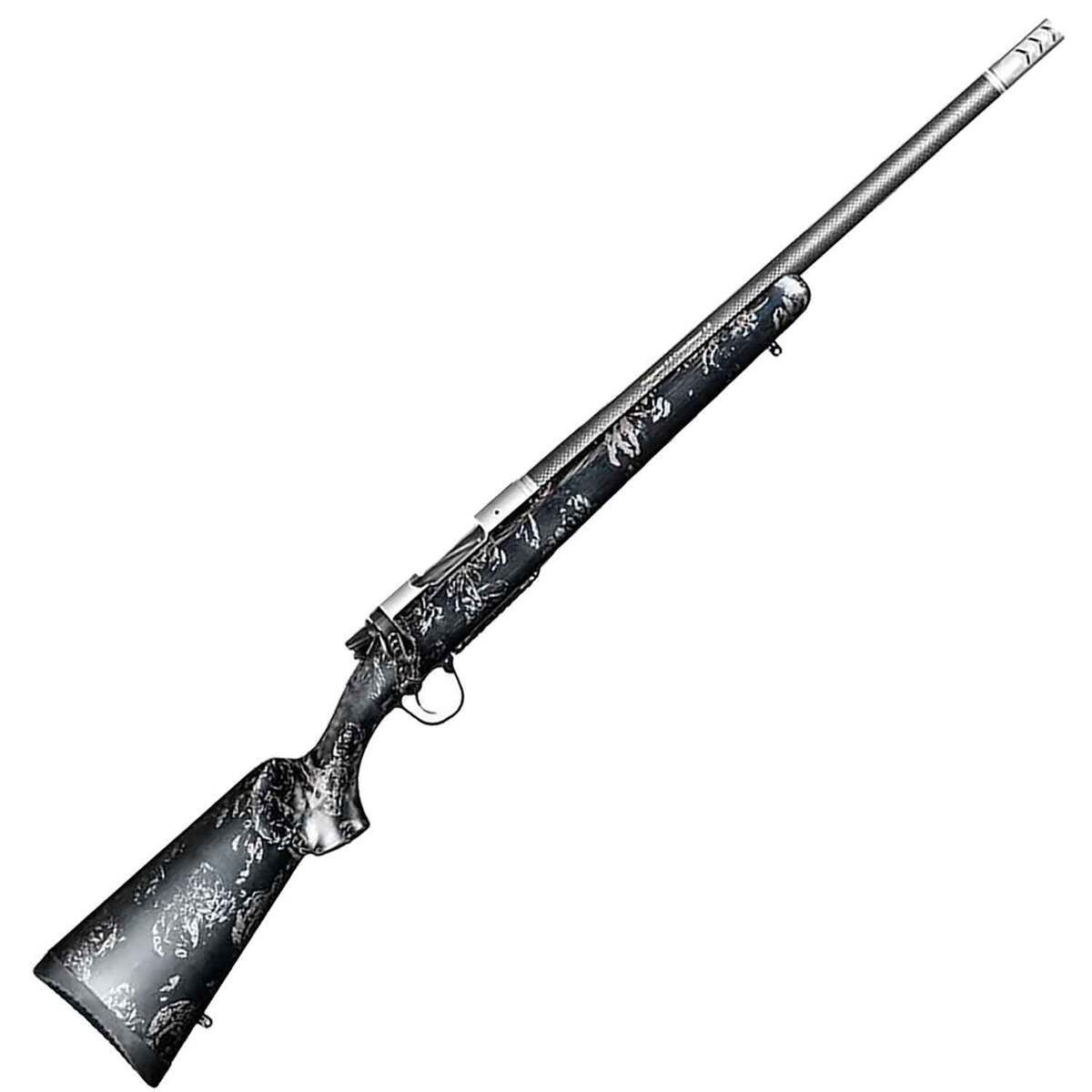
The Christensen Arms Ridgeline FFT in .25 Creedmoor represents the intersection of cutting-edge cartridge development and ultralight rifle design – a premium package that weighs just 5.5 lbs with a carbon fiber barrel and stock. This isn’t a rifle for casual hunters; at $2,400 street price, it’s purpose-built for serious mountain hunters who measure every ounce and handload their ammunition. The .25 Creedmoor chambering adds another layer of specialization – ballistically impressive but with limited factory ammunition availability. This review examines whether the premium cost and niche caliber choice deliver tangible advantages in the field.
Quick Verdict – Premium Ultralight Hunter
✓ Best for: Serious mountain hunters prioritizing weight savings above all else, backcountry hunts at 10,000+ feet
✓ Price: $2,300-$2,450 street (MSRP $2,595)
✓ Key strength: 5.5 lbs with carbon barrel/stock, sub-MOA accuracy, excellent fit and finish
✗ Not ideal for: Factory ammunition shooters, budget-conscious hunters, high-volume range work
Real-World Performance – Field Testing
The Ridgeline FFT delivers on its accuracy guarantee, consistently printing 0.5-0.7 MOA groups with handloaded 133gr Berger Elite Hunters at 2,925 fps from the 22" carbon-wrapped barrel with 1:7.5 twist. Cold bore accuracy is exceptional – critical for hunting where the first shot matters most – and the carbon barrel maintains consistent point of impact through 8-10 shot strings without the walk typical of thin steel barrels. The .25 Creedmoor pushes 131-135gr bullets with similar ballistic coefficients to 6.5mm 140-147gr projectiles but 100-200 fps faster, translating to about 10% less wind drift at 600 yards and a flatter trajectory. At 500 yards on Wyoming antelope, the rifle delivered 1,450 ft-lbs of energy with proper shot placement – adequate for deer-sized game and marginal but acceptable for elk with careful bullet selection. Recoil is mild, similar to 6.5 Creedmoor at roughly 12 ft-lbs, making follow-up shots easy despite the light weight. The TriggerTech Primary trigger breaks cleanly at 2.7 lbs with minimal overtravel, requiring no immediate upgrades. Barrel life runs 2,000-2,500 rounds due to the higher velocity, which matters if you practice extensively, but for hunters shooting 20-40 rounds annually plus load development, that’s a decade of use.
Applications & Use Cases – Best Scenarios
High-Country Big Game (10,000+ feet): This is where the Ridgeline FFT justifies its premium. At 7.2 lbs with a Leupold VX-5HD 3-15x scope, the complete package saves 2+ lbs compared to traditional setups – significant when climbing steep terrain with a full pack. Colorado sheep hunts, Wyoming high-country mule deer, and Idaho mountain goat scenarios where you’re covering 10+ miles daily make every ounce matter. The .25 Creedmoor’s flat trajectory and wind performance shine at 400-600 yards across canyons. Verdict: Premium justified.
Suppressed Backcountry Hunting: The 5/8×24 threaded barrel accepts standard suppressors, and pairing with a lightweight titanium can like the TBAC Ultra 5 (0.5 lbs) keeps total weight under 8 lbs scoped and suppressed. The mild recoil becomes nearly non-existent, and the carbon barrel’s stiffness maintains accuracy with the can attached. The .25 Creedmoor’s efficiency means less muzzle blast than magnums. Verdict: Excellent match.
Long-Range Precision Hunting (500-700 yards): The rifle delivers the accuracy and ballistics for extended-range shots, and the .25 Creedmoor’s velocity advantage over 6.5 Creedmoor provides measurable benefits in wind. However, you must handload – factory ammunition availability is sporadic at $3-4 per round. If you’re already set up for handloading and prioritize long-range performance, this works. Verdict: Capable but requires commitment.
General Deer Hunting (Inside 300 yards): The rifle is overkill for typical whitetail scenarios where shots average 150 yards. A $875 Tikka T3x in 6.5 Creedmoor delivers 95% of the performance for 40% of the cost with vastly better ammunition availability. The weight savings don’t matter for truck-to-stand hunting. Verdict: Look elsewhere unless you want the premium experience.
Ergonomics & Handling – Lightweight Feel
The FFT carbon fiber stock feels solid despite weighing just 22 oz, with no flex when pressure is applied to the forend – Christensen’s flash-forged technology delivers rigidity that synthetic stocks at this weight can’t match. The vertical grip geometry fits most hands naturally, and the 13.5" length of pull accommodates average-sized shooters, though there’s no adjustability for those needing shorter or longer dimensions. At 5.5 lbs, the rifle balances slightly forward with the carbon barrel, making offhand shooting steadier than ultra-lightweight pencil-barreled rifles that feel muzzle-light. The bolt runs smoothly on the stainless steel action with typical Remington 700-footprint feel – not as butter-smooth as a Tikka but reliable and consistent. The AICS-compatible magazine holds three rounds, which is limiting compared to five-round options but acceptable for hunting where shots are deliberate. Carrying the rifle all day is effortless; the weight advantage becomes obvious after mile three when your shoulders aren’t aching. The Cerakote finish resists scratches and weather, maintaining its appearance through hard use in wet and cold conditions where blued steel would show wear.
Aftermarket & Upgrade Path – Rem 700 Options
The Remington 700 footprint opens the entire aftermarket ecosystem, though most buyers will keep this rifle as-is since it’s already a premium package. The TriggerTech Primary trigger is excellent out of the box, and upgrading to a TriggerTech Diamond ($300) offers minimal practical benefit for hunting applications. The integrated 0 MOA Picatinny rail is solid, eliminating the need for aftermarket bases. If you wear out the barrel around 2,000 rounds, Proof Research carbon prefits ($1,100) maintain the weight advantage, or Bartlein steel barrels ($800) save money with a 12-16 oz weight penalty. Stock options from McMillan or Manners exist if you want different ergonomics, but the FFT carbon stock is already top-tier – replacing it defeats the purpose. Chassis systems like MDT or KRG work with the action but add 2-3 lbs, turning an ultralight hunter into a heavy precision rifle. Bottom metal upgrades from Hawkins or Seekins provide different magazine options if the three-round AICS capacity bothers you. The reality is that this rifle ships complete; most owners add only a quality scope and possibly a suppressor, leaving the platform untouched.
Pros & Cons – Weighing the Investment
Strengths:
✓ 5.5 lbs bare rifle – among lightest production rifles available in any caliber
✓ Consistent 0.5-0.7 MOA accuracy with quality handloads, excellent cold bore precision
✓ Carbon fiber barrel and stock provide rigidity without weight penalty
✓ .25 Creedmoor delivers 6.5mm+ performance with 100-200 fps velocity advantage
✓ TriggerTech Primary trigger factory-installed, breaks cleanly at 2.7 lbs
✓ Premium fit and finish throughout – attention to detail rivals custom builds
✓ Remington 700 footprint ensures full aftermarket compatibility if desired
✓ Cerakote finish and stainless action handle harsh mountain conditions
Limitations:
✗ $2,400 street price is 2-3x competitors for similar weight (Weatherby 307 Alpine $1,200 less)
✗ .25 Creedmoor factory ammunition scarce and expensive ($3-4/round when available)
✗ Handloading nearly mandatory – not viable for factory ammo shooters
✗ Three-round AICS magazine capacity limiting compared to five-round options
✗ Carbon barrel adds $800+ premium over steel with minimal accuracy advantage
✗ Barrel life 2,000-2,500 rounds – expensive replacement if shooting high volume
✗ .25 Creedmoor brass and bullets less common than 6.5mm options
✗ Resale market smaller due to niche caliber choice
Competitors & Alternatives – Market Context
| Feature | Ridgeline FFT | Weatherby 307 Alpine | Fierce Carbon Rogue | Proof Elevation MTR |
|---|---|---|---|---|
| Price | $2,400 | $1,199 | $2,600 | $3,500 |
| Weight | 5.5 lbs | 5.9 lbs | 5.6 lbs | 6.2 lbs |
| Barrel | Carbon 22" | Carbon 24" | Carbon 22" | Carbon 22" |
| Action | Rem 700 SS | Weatherby 307 | Fierce proprietary | Carbon (Defiance) |
| Guarantee | Sub-MOA | Sub-MOA | 0.5 MOA | Sub-MOA |
The Weatherby 307 Alpine CT in .25 Creedmoor costs $1,200 less at similar weight, making it the value choice if budget matters – you sacrifice some fit-and-finish refinement but gain 85% of the performance for half the cost. The Fierce Carbon Rogue matches the Ridgeline’s price and weight with a proprietary action some prefer, though Christensen’s Rem 700 footprint offers broader aftermarket support. The Proof Elevation MTR represents the ultimate with a carbon action and barrel but costs $1,100 more for 0.7 lbs additional weight – diminishing returns unless you need the absolute lightest. For most hunters, the Weatherby delivers better value; choose the Ridgeline if you want premium quality and the budget allows, or if the Rem 700 footprint matters for future customization.
Who Should Buy This – Target Audience
This rifle makes sense for serious mountain hunters who regularly hunt above 10,000 feet where weight savings translate to real advantages – sheep, goat, high-country mule deer, and backcountry elk hunters covering 10+ miles daily. You should already be handloading or willing to commit to it, as .25 Creedmoor factory ammunition availability is too sporadic for reliable use. Enthusiasts wanting premium build quality and cutting-edge ballistics will appreciate the attention to detail throughout. Look elsewhere if you’re budget-conscious, rely on factory ammunition, shoot high volume at the range, or hunt typical whitetail scenarios inside 300 yards – a Tikka T3x in 6.5 Creedmoor delivers similar performance for $1,500 less with vastly better ammunition availability, making it the smarter choice for 90% of hunters.
Frequently Asked Questions – Common Queries
Q: Is .25 Creedmoor worth it over 6.5 Creedmoor?
A: Ballistically, yes – 100-200 fps faster with similar BC bullets means flatter trajectory and less wind drift at 500+ yards. Practically, only if you handload; factory ammunition scarcity makes 6.5 Creedmoor the better choice for most shooters.
Q: How much does a complete hunting setup weigh?
A: Rifle (5.5 lbs) + scope like Leupold VX-5HD (1.3 lbs) + rings (0.2 lbs) + loaded magazine (0.2 lbs) = 7.2 lbs. Add 0.5 lbs for a titanium suppressor if desired.
Q: Is the carbon barrel worth the premium?
A: For weight savings, yes – 12-16 oz lighter than steel. For accuracy, no inherent advantage. Worth it only if building an ultralight rifle where every ounce matters.
Q: What’s the effective hunting range?
A: 600+ yards on deer/antelope with proper shot placement and handloads. 500 yards on elk with heavy-for-caliber bullets and careful bullet selection – adequate energy but not ideal for large game.
Q: Can I shoot factory ammunition?
A: Technically yes, but availability is sporadic and costs $3-4 per round. Handloading is nearly mandatory for practical use.
Q: How does it compare to a custom rifle?
A: Delivers custom-level weight savings and quality for $2,400 vs $3,500-4,500 for a full custom. Factory warranty and sub-MOA guarantee add value.
Final Verdict – Worth the Premium?
Ratings:
- Hunting (Mountain/Backcountry): 5/5
- Long-Range Shooting: 4/5 (requires handloading commitment)
- General Hunting: 3/5 (overkill for typical scenarios)
- Value: 3/5 (premium justified only for specific use cases)
The Ridgeline FFT in .25 Creedmoor excels at its intended purpose – ultralight mountain hunting where weight matters and long-range performance justifies the ballistic advantages. If you’re a serious backcountry hunter who handloads and the $2,400 price fits your budget, this rifle delivers. For everyone else, a Tikka or Weatherby in 6.5 Creedmoor makes more practical sense at half the cost with better ammunition availability.
The Christensen Arms Ridgeline FFT .25 Creedmoor is a specialized tool for a specific mission – premium ultralight performance for dedicated mountain hunters willing to handload. It’s not a rifle for casual use or budget-conscious buyers, but for those who need the lightest possible package with long-range capability and don’t mind the ammunition challenges, it’s among the best factory options available. The $2,400 investment buys exceptional quality and meaningful weight savings, but only if your hunting style justifies the premium over more practical alternatives.