 Maksym Kovaliov


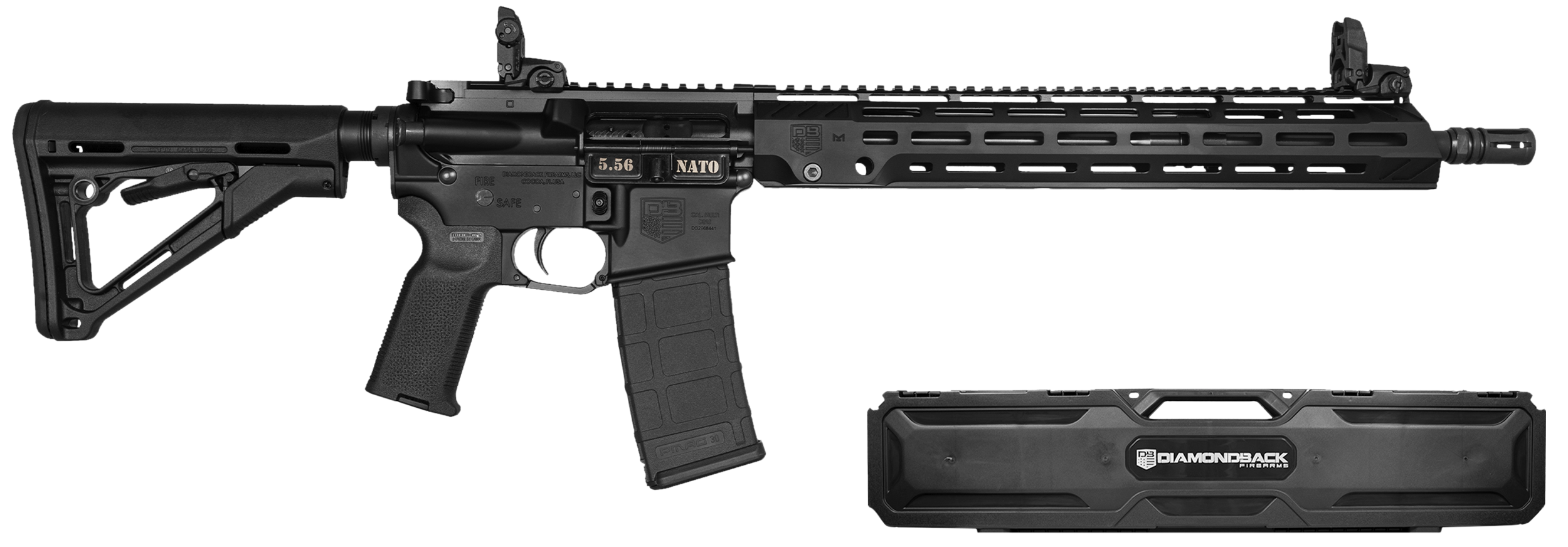


The .223 Remington is the most widely used centerfire rifle cartridge in the United States – not the most powerful, not the flattest-shooting, and not the best at any single specific task, but the one that does the most things adequately at the lowest cost and in the greatest variety of rifles. Introduced commercially in 1964 by Remington as the civilian companion to the military 5.56×45mm NATO cartridge, it has spent 60 years accumulating the deepest ecosystem of any centerfire rifle round: more rifle models, more factory ammunition options, more reloading data, more competition divisions, more aftermarket parts, and more shooters than any alternative. At $0.40–$0.90 per round for standard factory loads and $0.25–$0.50 per round for steel-case bulk practice ammo, it is the most affordable centerfire practice cartridge available for regular use. Whether you’re building an AR-15, looking for a varmint rifle, training fundamentals on a centerfire platform, or needing a home defense rifle, the .223 Rem is part of the conversation. This guide covers the complete picture: ballistics, honest performance limits, ammunition selection across every use case, comparisons to direct alternatives, and where the cartridge excels and genuinely falls short.

What Is the .223 Remington?
The .223 Remington was developed as a commercial companion to the military 5.56×45mm NATO cartridge adopted by the US military in the early 1960s. The two cartridges share the same external case dimensions – 1.760″ case length and 2.260″ overall length – but differ in chamber specifications and maximum pressure. SAAMI .223 Remington maximum pressure is 55,000 PSI, while NATO 5.56 is proofed to approximately 62,366 PSI using a different measurement standard. The practical result is that .223 Rem chambers are cut slightly tighter than 5.56 NATO chambers – shooting 5.56 NATO ammo in a .223 Rem chamber generates higher pressure than SAAMI specifies and should be done cautiously with modern brass-cased ammo but can be problematic with military surplus loadings. Shooting .223 Rem ammo in a 5.56 NATO chamber is safe and universally practiced.
The .223 Rem case accepts .224 caliber bullets ranging from 35gr to 90gr, though the practical accuracy and stability window for most rifles is 55–77gr depending on twist rate. The cartridge operates from a small rifle primer and produces characteristically mild recoil – approximately 3–5 ft-lbs of free recoil in a standard AR-15, which is less than most centerfire rifle cartridges and entirely negligible for most shooters.
The cartridge’s defining characteristic is its flexibility across platforms. It functions in bolt-action rifles, single-shot break-actions, and semi-automatic AR-15-pattern rifles with equal reliability – the AR-15’s gas-operated action was specifically designed around the .223/5.56 pressure curve and cycle time. This platform flexibility, combined with the cartridge’s low recoil and affordable ammo, has made the .223 Rem the default learning cartridge for centerfire rifle shooting in the same way the .22 LR is the default rimfire learning cartridge.
.223 Remington vs. 5.56 NATO: What You Need to Know
This distinction matters practically and deserves its own clear treatment before discussing ballistics.
Chamber compatibility summary:
- .223 Rem ammo in a .223 Rem chamber: correct, safe, optimal
- .223 Rem ammo in a 5.56 NATO chamber: safe, slightly reduced velocity
- 5.56 NATO ammo in a 5.56 NATO chamber: correct, safe, optimal
- 5.56 NATO ammo in a .223 Rem chamber: generates higher-than-spec pressure, use with caution and avoid military surplus loads
The practical solution: Most AR-15 builders who want flexibility choose a 5.56 NATO chamber or a .223 Wylde chamber – a hybrid chamber specification that accepts both .223 Rem and 5.56 NATO ammo while maintaining the tighter dimensions that improve .223 Rem accuracy. The .223 Wylde is the most common choice for AR-15 upper assemblies marketed for both accuracy and military ammo compatibility. Factory bolt-action rifles marked “.223 Remington” should only be fed .223 Remington ammo; those marked “5.56 NATO” accept both.
Ballistics: The Numbers That Matter
The .223 Rem’s ballistic profile spans a wider bullet weight range than its military image suggests. Light 35–45gr varmint loads push past 3,800–4,000 fps. Standard 55gr loads run 3,200–3,300 fps. Heavier 62–77gr loads come down to 2,800–3,000 fps but carry significantly better BCs that extend their useful range. The practical hunting and precision envelope is 100–300 yards for most applications.
| Load | MV (20″, fps) | 300 yd Velocity | 300 yd Energy | 300 yd Drop (100 yd zero) | 10 mph Wind @ 300 yd |
|---|---|---|---|---|---|
| 55gr FMJ | 3,150 | 2,138 | 558 ft-lbs | -11.8″ | 9.8″ |
| 55gr V-MAX | 3,240 | 2,269 | 629 ft-lbs | -10.9″ | 8.6″ |
| 62gr FMJ (M855) | 3,050 | 2,138 | 630 ft-lbs | -12.3″ | 9.5″ |
| 69gr SMK (handload) | 2,900 | 2,155 | 713 ft-lbs | -12.8″ | 7.8″ |
| 77gr SMK (handload) | 2,720 | 2,100 | 755 ft-lbs | -14.1″ | 6.9″ |
| 40gr V-MAX (varmint) | 3,800 | 2,190 | 426 ft-lbs | -8.6″ | 12.5″ |
Wind performance is the .223 Rem’s primary practical limitation. At 300 yards in a 10 mph crosswind, a standard 55gr load drifts nearly 10 inches – more than twice the 6mm ARC’s 5.8 inches at the same distance. This is the gap the 6mm ARC and 6.5 Grendel were specifically designed to close. For shooters whose targets stay inside 300 yards in moderate conditions, the .223’s wind sensitivity is manageable with practice. For those stretching to 500+ yards in variable wind, a higher-BC cartridge is the practical solution.
Energy at 300 yards is modest – 558–755 ft-lbs depending on load. This is sufficient for varmints and small predators, borderline for coyotes beyond 200 yards, and insufficient for deer in most states and ethical hunting contexts. The .223 Rem’s energy ceiling is the most honest limitation in its profile and defines where it belongs and does not belong.
Recoil is the genuine standout: 3–5 ft-lbs in a standard AR-15 is so mild that extended training sessions, high-volume varmint shooting, and introducing new shooters are all comfortable regardless of physical condition or experience.
.223 Remington vs. The Competition
.223 Rem vs. 5.56 NATO
Covered above. The chamber compatibility distinction matters more than ballistic differences between the two cartridges when loaded to comparable specifications.
.223 Rem vs. 6.5 Grendel
The 6.5 Grendel fires 123gr high-BC bullets with approximately double the energy and half the wind drift of the .223 Rem at 300 yards. For AR-15 owners who want to extend effective range beyond 300 yards significantly, the Grendel is a drop-in upper swap (new barrel, bolt, magazines required). The .223 Rem counters with 30-round magazine capacity vs. Grendel’s 26, lower per-round cost, universal ammo availability, and the ability to fire surplus and budget steel-case ammo that keeps training costs low. For long-range precision and hunting applications past 300 yards, the Grendel is the more capable tool. For high-volume training, competitions requiring .223, and general-purpose use inside 300 yards, the .223 Rem remains the practical default. See our 6.5 Grendel Caliber Guide.
.223 Rem vs. 6mm ARC
The 6mm ARC is the .223 Rem’s most direct modern ballistic challenger for AR-15 precision work. At 300 yards, the 108gr ELD-M drifts 5.8 inches in a 10 mph wind vs. the .223’s 9.8 inches with 55gr FMJ – a dramatic difference that compounds at 500 and 1,000 yards. For precision competition and long-range steel work in AR-15 platforms, the 6mm ARC is the clearly superior cartridge. The .223 Rem counters with 4x lower ammo cost, universal availability, 30-round magazines, and the ability to buy a box of practice ammo in virtually any rural hardware store. See our 6mm ARC Caliber Guide.
.223 Rem vs. .224 Valkyrie
The .224 Valkyrie fires 90gr high-BC bullets at 2,700 fps in an AR-15, providing significantly better long-range performance than the .223 Rem. It has been partially displaced in the market by the 6mm ARC, which achieves better BC performance with the 108gr ELD-M. The .224 Valkyrie remains a viable long-range AR-15 option but has narrower rifle and ammo selection than either the .223 Rem or 6mm ARC.
.223 Rem vs. .300 Blackout
These cartridges coexist in the AR-15 ecosystem with almost no overlap in application. The .300 Blackout is optimized for suppressed subsonic use inside 200 yards; the .223 Rem is optimized for supersonic performance at 100–400 yards. A suppressed .300 Blackout is significantly quieter than a suppressed .223 Rem subsonic load because the .300 BLK’s heavier bullet was specifically designed to stay subsonic at useful velocities. For suppressed applications and CQB use, the .300 BLK is the better tool. For everything else, the .223 Rem wins on cost, capacity, and range. See our .300 Blackout Caliber Guide.
Factory Ammunition: What to Buy
The .223 Rem has the broadest factory ammunition selection of any centerfire rifle cartridge – every manufacturer loads it across a wider range of configurations than any alternative, and it is available in bulk quantities at prices that make high-volume practice financially sustainable.
For practice and training:
Steel-case bulk ammo – Wolf, Tula, Bear, and Barnaul all produce 55gr FMJ steel-case ammo in the $0.25–$0.40 per round range. These loads are adequate for zeroing and high-volume range practice in most semi-auto platforms. Note that steel-case ammo produces more carbon fouling than brass-case and some AR-15 chambers with tight tolerances can experience extraction issues. Test in your specific rifle before buying large quantities. Federal American Eagle 55gr FMJ ($0.42–$0.55/round) and PMC Bronze 55gr FMJ ($0.40–$0.52/round) are the standard brass-case practice options – more consistent than steel-case and appropriate for both semi-auto and bolt-action platforms.
For competition and precision:
Federal Gold Medal Match 69gr Sierra MatchKing ($0.90–$1.10/round) is the standard for practical rifle competition and NRL22-adjacent .223 precision work. The 69gr SMK in a 1:8 twist barrel produces sub-MOA accuracy in quality rifles. Hornady 75gr BTHP Match ($0.85–$1.00/round) is a popular alternative. Hornady 73gr ELD-M ($0.90–$1.05/round) provides better BC than the 69gr SMK and is gaining traction in .223 precision circles where maximizing BC within the cartridge’s velocity envelope is the priority.
For varmint hunting:
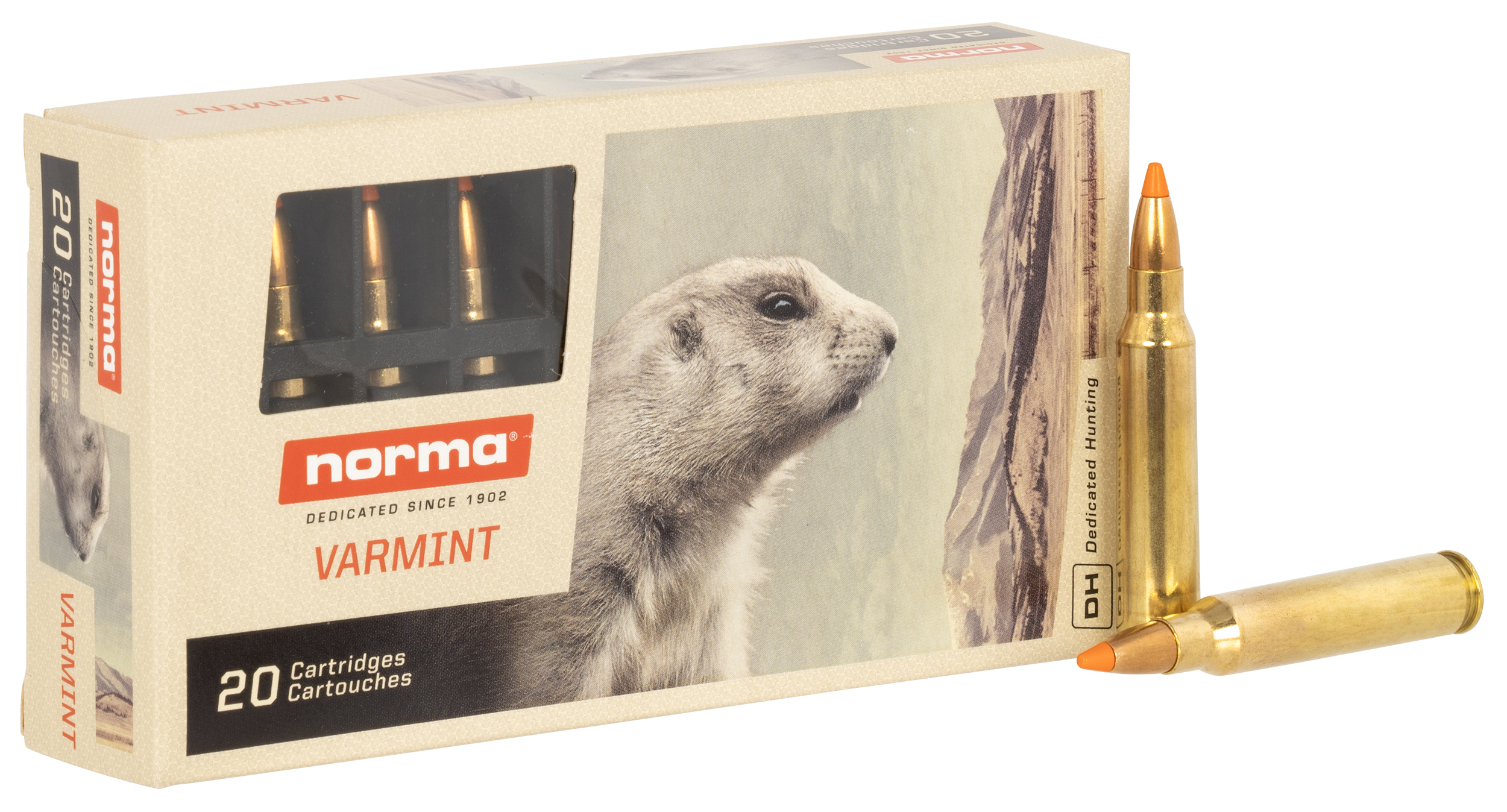
Hornady 55gr V-MAX ($0.65–$0.80/round) is the standard varmint load – reliable polymer-tip fragmentation on prairie dogs and ground squirrels inside 250 yards. Hornady 40gr V-MAX ($0.60–$0.75/round) maximizes velocity for close-range explosive performance inside 200 yards. Federal 50gr Ballistic Tip and Nosler 55gr Ballistic Tip are solid alternatives for hunters who prefer Nosler projectile performance.
For home defense:
Federal Premium 55gr Trophy Bonded JSP ($1.10–$1.30/round) is specifically designed for defense use – reliable expansion, minimal overpenetration risk relative to FMJ, and consistent velocity from short carbine barrels. Hornady Critical Defense 55gr FTX ($0.90–$1.10/round) is the other primary home defense load. Speer Gold Dot 64gr SP is an option for those who want heavier defensive loads in a 1:8 or faster twist. See our Home Defense Rifle Guide for full defensive AR-15 setup context.
A critical note on hunting legality:
The .223 Rem is prohibited for deer hunting in many states due to minimum caliber or minimum energy requirements. Before using it for deer hunting, verify your state’s regulations. In states that allow it, use bonded or heavy-for-caliber bullets (64–77gr) at close range with excellent shot placement – it is a marginal deer cartridge at best and most experienced hunters in states that allow it use it only inside 150 yards on broadside shots.
| Load | Best For | Typical Price | Typical Accuracy |
|---|---|---|---|
| Federal AE 55gr FMJ | General practice | $0.48/rd | 1.5–2.5 MOA |
| Steel-case 55gr FMJ | Budget high-volume practice | $0.30/rd | 2.0–3.5 MOA |
| Federal 69gr SMK Gold Medal | Precision/competition | $0.98/rd | 0.5–0.8 MOA |
| Hornady 75gr BTHP Match | Precision/competition | $0.92/rd | 0.5–0.8 MOA |
| Hornady 55gr V-MAX | Varmint hunting | $0.72/rd | 0.6–0.9 MOA |
| Hornady 40gr V-MAX | Close-range varmints | $0.65/rd | 0.7–1.0 MOA |
| Federal 55gr TBJ | Home defense | $1.18/rd | 1.0–1.5 MOA |
Reloading the .223 Remington
The .223 Rem is an excellent reloading cartridge – the small case is efficient and consistent, component availability is exceptional, and the 60-year data library covers every practical bullet and powder combination. Reloaders can cut per-round cost from $0.75 to $0.25–$0.35 and achieve sub-0.5 MOA accuracy from quality rifles with developed loads.
Brass: Lapua .223 Remington brass ($60–$70/100) is available and is the premium choice for precision work – extremely consistent case weights and long primer pocket life. Lake City surplus brass (once-fired military, $25–$35/100) is the cost-effective alternative widely used by precision handloaders who deprime, clean primer pockets, and sort by weight before loading. Federal and Winchester commercial brass are reliable mid-tier options. Small rifle primers are standard; small rifle magnum primers are occasionally recommended for temperature stability with certain powders but are not generally necessary.

Note on military crimped primers: Lake City and other military brass has crimped primer pockets that must be swaged or reamed before reloading. Failure to remove primer pocket crimps results in crushed primers, misfires, and primer pocket damage. A primer pocket swager ($30–$60) pays for itself quickly when working with military surplus brass.
Powder: The .223 Rem’s small case works best with fast to medium-burn-rate powders. Varget is the community standard for 55–77gr match bullets – excellent temperature stability, consistent velocity, and sub-10 fps ES with developed loads. Expect 2,750–2,800 fps with 77gr SMK and approximately 23–24gr Varget from a 20″ barrel. H4895 is excellent with 52–69gr bullets. IMR 8208 XBR is popular for its consistent metering in small cases and excellent results with 55–69gr competition loads. For 40–55gr varmint loads, H322, Benchmark, and H335 provide better velocity at appropriate charges. Avoid slow powders – the .223’s case is simply too small to generate adequate velocity with slow-burning magnums powders without filling the case to a dangerous level.
Bullets: The 6mm bore’s selection is broad but the .224 caliber sweet spot for precision is 69–77gr. Sierra 69gr MatchKing and 77gr MatchKing are the precision standards with decades of competition validation. Hornady 73gr ELD-M and 75gr BTHP Match are modern alternatives. Berger 73gr BT Target is popular in dedicated precision bolt-gun .223 builds. For varmints: Hornady 35gr V-MAX, 40gr V-MAX, 50gr V-MAX, and 55gr V-MAX cover the full close-range varmint spectrum.
Twist rate and bullet stability: This is the most critical .223 Rem reloading consideration. Standard AR-15 military rifles used 1:12 twist for 55gr bullets. Modern 1:8 twist barrels handle 55–77gr reliably. A 1:9 twist handles up to approximately 69gr consistently. A 1:7 twist stabilizes 77–90gr bullets but may over-stabilize 40–50gr varmint bullets, causing excessive jacket stress and reduced accuracy. Match your bullet weight to your barrel twist before developing a load:
- 1:12 twist: 40–55gr
- 1:9 twist: 55–69gr
- 1:8 twist: 55–77gr (most versatile)
- 1:7 twist: 62–90gr
Best Applications for the .223 Remington
Fundamental Skills Training and High-Volume Practice
The .223 Rem’s most important application is the one that gets the least marketing attention: it makes high-volume centerfire practice financially sustainable. At $0.30–$0.50 per round for steel-case and standard brass-case loads, a shooter can fire 200 rounds for $60–$100 – a session that would cost $200–$400 in 6.5 CM or magnum ammunition. For shooters building the fundamentals of trigger control, sight alignment, position shooting, and target transitions, volume is the variable that matters most. Every skill that transfers from an AR-15 to a precision bolt gun – trigger management, recoil anticipation, breath control, natural point of aim – is best developed in volume. The .223’s negligible recoil allows focus on technique rather than flinch management. See our Best Rifles for New Shooters guide for platform recommendations.

AR-15 Competition – 3-Gun and Practical Rifle
The .223 Rem is the default cartridge for 3-gun and multigun competition, USPSA rifle divisions, and Steel Challenge rifle events. Competition rules in most 3-gun formats do not mandate a minimum caliber for rifle stages, and the .223’s combination of low recoil, 30-round magazine capacity, and inexpensive practice ammo makes it the overwhelming choice in the competitive field. Shooters who run 3-gun at any serious level fire 500–1,000 rounds of rifle ammo per match season in practice – the .223’s cost advantage is measured in hundreds of dollars annually at that round count. Our 3-Gun / Multigun Competition Guide covers setup recommendations in full.
Varmint Hunting – Prairie Dogs and Small Rodents
The .223 Rem with 40–55gr V-MAX loads is a proven, affordable varmint cartridge inside 250 yards. The flat trajectory at these distances makes holdover simple, the fragmentation on impact is decisive on small targets, and the low per-round cost makes prairie dog town sessions of 100+ shots financially practical. The limitation is wind sensitivity – at 200 yards in a 10 mph crosswind, a 55gr load drifts approximately 4.5 inches, which is significant for a 3-inch target. Experienced varmint hunters manage this by taking advantage of wind lulls, shooting quartering into the wind, and reading conditions carefully. For calm-condition varmint work inside 200 yards, the .223 Rem is an ideal tool. For shooters who regularly face 10+ mph winds at 200–300 yards, the .17 HMR or a centerfire varmint cartridge with better BC is more practical. See our Varmint Hunting Rifles Guide.
Coyote Hunting – Close to Moderate Range
The .223 Rem is an effective coyote cartridge inside 200 yards with quality expanding bullets – the 55gr V-MAX, 62gr Hornady TAP, and 64gr Winchester Bonded are all reliable on called coyotes at typical calling distances. Past 200 yards, wind sensitivity and modest energy create increasing uncertainty on animals that may weigh 30–40 lbs and require reliable energy transfer for clean kills. For hunters who call coyotes in to close range – standard practice in most calling situations – the .223 is entirely adequate and the low-recoil semi-auto AR-15 platform is a practical advantage for running multiple shots on a group. For hunters who take long-range coyote shots at 300+ yards, the 6.5 Grendel or a centerfire varmint cartridge provides more capability. See our Coyote Hunting Rifles guide.
Home Defense
The .223 Rem in a semi-auto AR-15 carbine is a legitimate home defense platform with specific advantages and considerations. The cartridge produces less felt recoil than any shotgun defensive load, fires accurately from a platform most people can learn quickly, and with quality defensive ammunition produces terminal performance on par with major pistol calibers in the relevant ranges inside a home. The overpenetration concern – that .223 FMJ penetrates multiple walls – is real with military ball ammo but substantially mitigated with quality hollow point and bonded defensive loads that fragment reliably in soft tissue. Federal 55gr Trophy Bonded JSP and similar fragmentation-designed loads penetrate fewer walls than 9mm FMJ in testing while producing effective terminal performance. For home defense in rural areas with no wall-overpenetration concern, the .223 Rem carbine is one of the most effective defensive platforms available. Our Home Defense Rifle Guide covers this application in full.
Deer Hunting – Where Legal and Appropriate
The .223 Rem is legal for deer hunting in approximately 20 US states, and where it is legal it can take deer cleanly under specific conditions: shots inside 150 yards, broadside presentation, quality bonded or heavy-for-caliber bullets (62–77gr), and disciplined shot placement through the heart-lung zone. These requirements are strict for a reason – the cartridge’s energy margin on deer is thin and misplaced shots are more likely to wound than kill. Experienced hunters who use the .223 for deer treat it as a close-range precision application requiring more care than larger cartridges. For hunters who want a versatile deer capable cartridge without restrictions, the 6.5 Grendel, 6mm ARC, or .243 Win in an AR-15-format or bolt-action rifle is the more appropriate choice. See our Deer Hunting AR-15 Calibers guide for a full comparison of AR-15 deer hunting options.

Rifles Chambered in .223 Remington
The .223 Rem has more rifle models chambered for it than any other centerfire cartridge. The AR-15 platform dominates, but bolt-action and single-shot options are broadly available.

AR-15 semi-auto:
The AR-15 platform IS the .223 Rem platform for most shooters. Every major AR-15 manufacturer – Aero Precision, BCM (Bravo Company), Daniel Defense, CMMG, Palmetto State Armory – chambers .223/5.56 as the default configuration. Entry-level complete rifles run $500–$700 (PSA, Anderson, Ruger AR-556); mid-tier quality rifles $900–$1,500 (Aero Precision M4E1, BCM Standard); duty-quality $1,500–$2,500 (Daniel Defense DDM4, BCM RECCE). The AR-15 market for .223/5.56 is covered exhaustively in our AR-15 Platform Guide.
Bolt-action:
The Ruger American ($450–$550) in .223 Rem delivers the most affordable accurate bolt-gun option. The Savage 11/111 and Savage Axis II ($380–$450) are reliable entry-level bolt guns. Tikka T3x Varmint ($950–$1,100) is the premium production bolt-action varmint choice in .223 – heavy barrel, excellent trigger, and sub-MOA accuracy from the first shot. Ruger Precision Rifle ($1,499) in .223 Rem and Bergara B-14 HMR ($950–$1,050) are the chassis-style precision options for competitive shooters who want bolt-action precision with modern ergonomics.
Single-shot and lever-action:
Savage 12 F/TR and similar single-shot bolt-guns are available for bench rest work. Lever-action .223 rifles are rare but exist (Henry Long Ranger in .223) for hunters who want lever ergonomics with a modern varmint cartridge.
Who Should Choose the .223 Remington?
The .223 Rem is your cartridge if:
You are building or buying an AR-15 for general-purpose use, training, competition, or home defense and want the default, universally supported platform that accesses every aftermarket part, training resource, and competition division. You shoot high volume – 1,000+ rounds per year – and the cost savings of .223 vs. higher-performance alternatives translate to real money that funds more training. You hunt varmints inside 250 yards and want an affordable, effective tool for high-volume prairie dog and ground squirrel work. You want the most accessible and affordable centerfire practice cartridge for building fundamentals.
Look elsewhere if:
You want an AR-15 for precision competition or long-range steel past 400 yards – the 6mm ARC or 6.5 Grendel provide genuine ballistic improvements that matter at those distances. You hunt deer and want a cartridge that handles the application confidently without strict restrictions on distance, angle, and bullet selection – the 6.5 Grendel, 6mm ARC, or .243 Win are more appropriate. You want to build one AR-15 that serves hunting past 300 yards and precision work – a caliber conversion upper to 6mm ARC or 6.5 Grendel is the practical path. You are a new shooter buying a first precision rifle and want a bolt-action platform with the best long-range performance for the money – the 6.5 CM provides better ballistics for roughly comparable cost.
Frequently Asked Questions
What is the difference between .223 Remington and 5.56 NATO?
Same external dimensions, different chamber specifications and pressure standards. .223 Rem SAAMI spec is 55,000 PSI; 5.56 NATO is approximately 58,700 PSI (CIP) or higher by EPVAT testing. The 5.56 chamber has a longer throat (leade) that reduces pressure with military loads. Shooting .223 Rem in a 5.56 chamber is safe. Shooting 5.56 NATO loads in a .223 Rem chamber generates slightly higher pressure than SAAMI spec – modern commercial 5.56 loads are generally fine, military surplus loads with hot loadings should be avoided in .223 Rem chambers. When in doubt, use a .223 Wylde chamber which accepts both safely.
Is .223 Remington effective for deer hunting?
Where legal (approximately 20 states), it can take deer under strict conditions: shots inside 150 yards, broadside presentation, bonded or heavy-for-caliber bullets (62–77gr), and precise heart-lung shot placement. It is illegal for deer in many states specifically because its energy margin is thin. Hunters who want an AR-15-format deer rifle without these restrictions should consider the 6.5 Grendel or 6mm ARC, which provide substantially better energy and terminal performance for deer applications.
What twist rate does my .223 Rem barrel need?
Depends on your intended bullet weight. A 1:8 twist is the most versatile – it handles 55–77gr reliably and is the best choice for a general-purpose AR-15 that will shoot both practice FMJ and precision match loads. A 1:9 twist handles 55–69gr and is adequate for most hunting and general practice. A 1:7 twist is optimized for 62–90gr heavy bullets and military tracer rounds but may shoot lighter 40–50gr varmint bullets poorly. For a new build, specify 1:8 unless you have a specific reason for another rate.
How much does it cost to shoot .223 Rem vs. 6.5 Creedmoor?
For a meaningful comparison: 1,000 rounds of standard practice .223 Rem brass-case ammo costs approximately $420–$550. The same volume in 6.5 CM costs $1,000–$1,500. The annual practice cost difference for a dedicated shooter runs $500–$1,000. Over five years of regular shooting, the .223’s cost advantage funds a quality scope, a suppressor, or two additional rifles. For high-volume shooters, this is a real and significant consideration.
Can I shoot steel-case .223 ammo in my AR-15?
Yes, with caveats. Most AR-15 rifles chamber steel-case ammo reliably and it is safe to use. Known considerations: steel-case produces more carbon fouling than brass-case, which requires more frequent cleaning. Steel-case ammo uses a bimetal (steel-jacketed) bullet in many brands that accelerates barrel wear faster than copper-jacketed rounds – estimate 30–50% faster throat erosion with regular steel-case use. Some chambers with tight tolerances experience extraction issues with steel cases that don’t expand and contract the same way brass does. Test a box of your intended steel-case brand in your specific rifle before buying a case quantity, and clean more frequently than with brass-case ammo.
What is the effective range of .223 Rem for varmint hunting?
For prairie dogs and similar small targets in calm to light wind conditions, 250 yards is a reasonable practical ceiling for consistent hits. In 10+ mph wind, the effective range shrinks to 150–200 yards where drift is manageable with careful wind reading. For coyotes, 200 yards is the confident ceiling with standard 55gr loads – past that, energy becomes marginal for reliable kills. Shooters using 77gr handloads or match loads extend the accuracy ceiling slightly but the energy limitation remains. For varmint work routinely extending to 300+ yards in wind, the .17 HMR rimfire or a centerfire varmint cartridge like .22-250 Rem provides more capability.